Blog
How Much Carbon Can a Coffee Plant Store?
A Journey Through the Biomass of a Regenerative Plantation
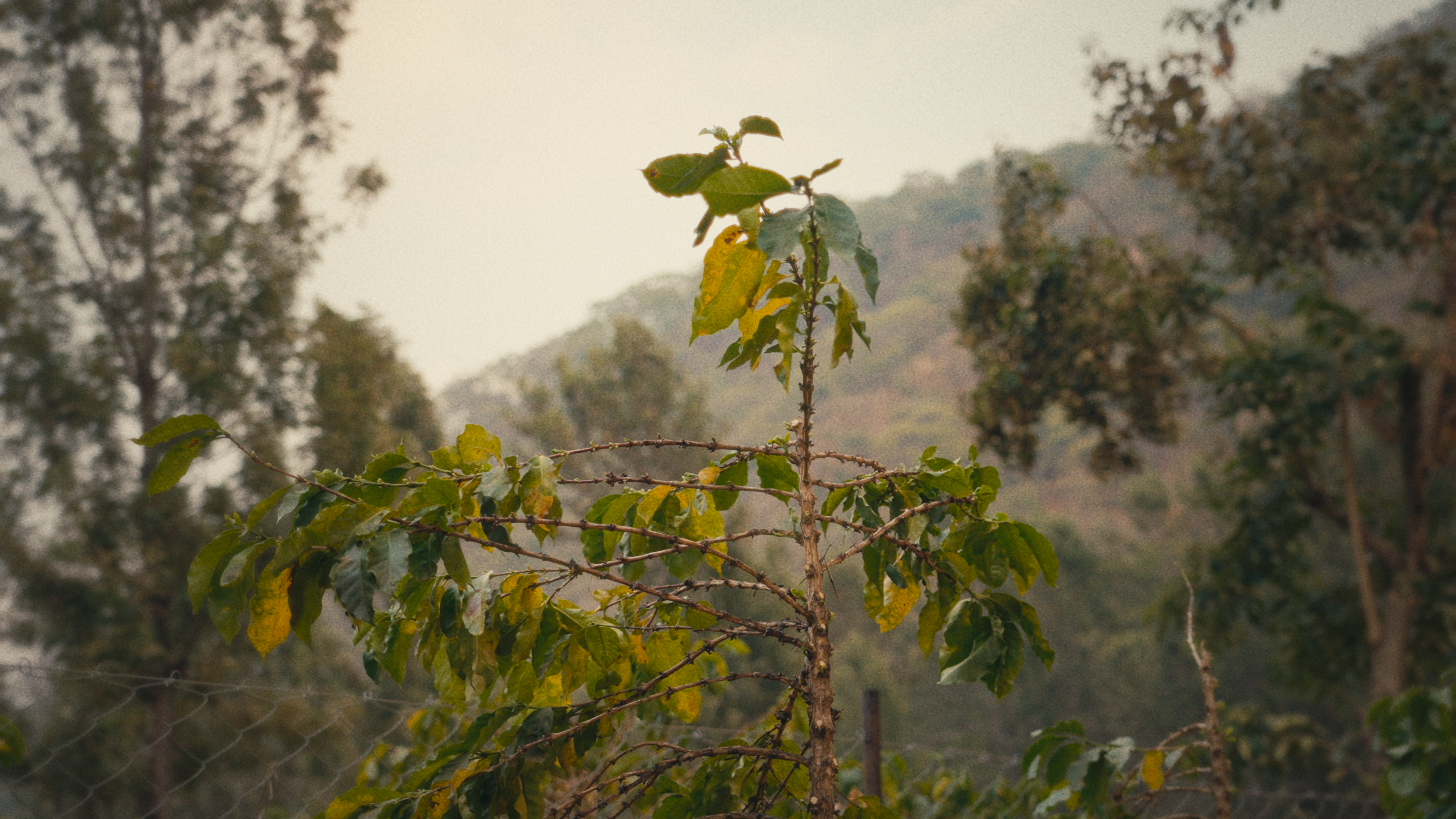
When we think of a coffee plant, we often picture a modest shrub dotted with bright red cherries ready for harvest. What we often overlook, however, is its quiet yet powerful role in capturing and storing carbon — and in protecting the soil.
The ConSenso project, carried out at the Utengule plantation in Tanzania, provides a precise answer to the question: how much carbon can a coffee plant actually hold?
Photosynthesis: A Precious Ally
Through photosynthesis, plants absorb CO₂ and transform it into biomass — roots, stems, branches, and leaves. Carbon accumulates in every plant fiber and remains stored within the plant.
In the case of coffee, this perennial woody shrub can significantly contribute to atmospheric carbon sequestration — especially when cultivated alongside shade trees and through agroforestry practices.
The Numbers from Utengule
Thanks to a detailed study conducted by PNAT and the Accademia del Caffè Espresso, we now have concrete data.
At the Itimba plot, part of the Utengule Coffee Farm, which includes:
- 160,385 coffee plants
- 883 shade trees
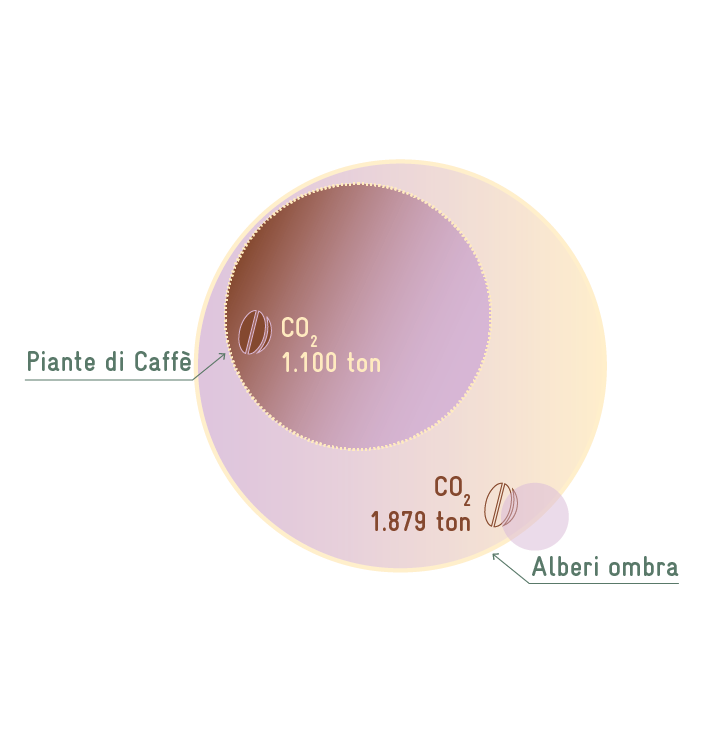
a total of 2,979.52 tons of stored CO₂ was estimated.
Of this total:
- 1,100.13 tons come from the coffee shrubs,
- 1,879.39 tons from the shade trees.
Above and Below the Ground
The calculation takes into account two components:
- Aboveground biomass – branches and stem
- Belowground biomass – stump and main roots
On average, an adult coffee plant in Itimba weighs about 4 kg (including its underground parts). It may not sound like much, but multiplied by over 160,000 plants, the contribution becomes quite significant.
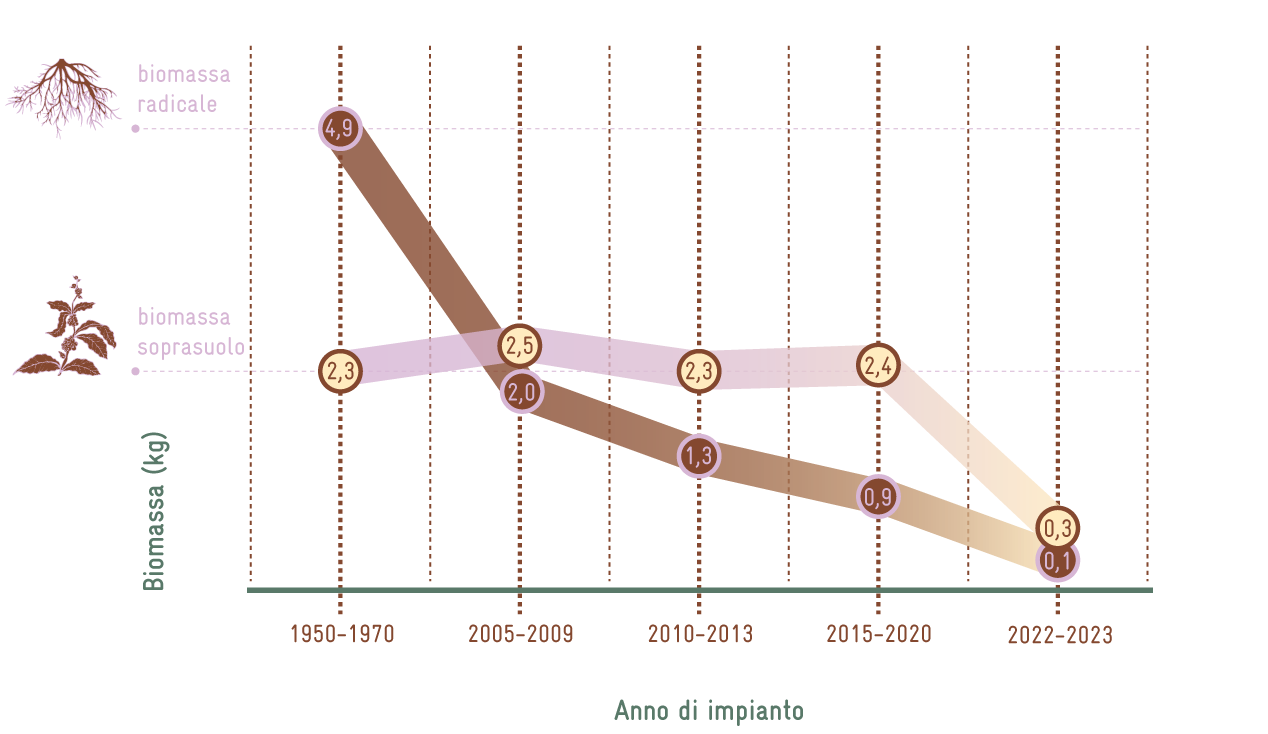
Even more interestingly, for older plants (over 50 years old), root biomass represents up to 60% of the total. This means that the hidden underground portion plays a crucial role in long-term CO₂ storage, since it remains in place during pruning cycles and stays active until the end of the plant’s life.
Young vs. Old: Who Wins?
An interesting finding from the study highlights the difference between young and old plants:
- Younger plants (planted in 2023) store much less CO₂, both because of their smaller size and their still-developing root systems.
- Older plants (planted in the 1970s), on the other hand, show a peak in root biomass, making them true “carbon banks.”
The Importance of Management
Agronomic management plays a key role:
- Regular pruning (every five years) keeps aboveground biomass stable.
- Pruning residues, if composted or converted into biochar, help retain carbon instead of releasing it.