Blog
Shade Trees: The True Champions of Carbon Sequestration
More than just protection: how trees in coffee plantations help the climate
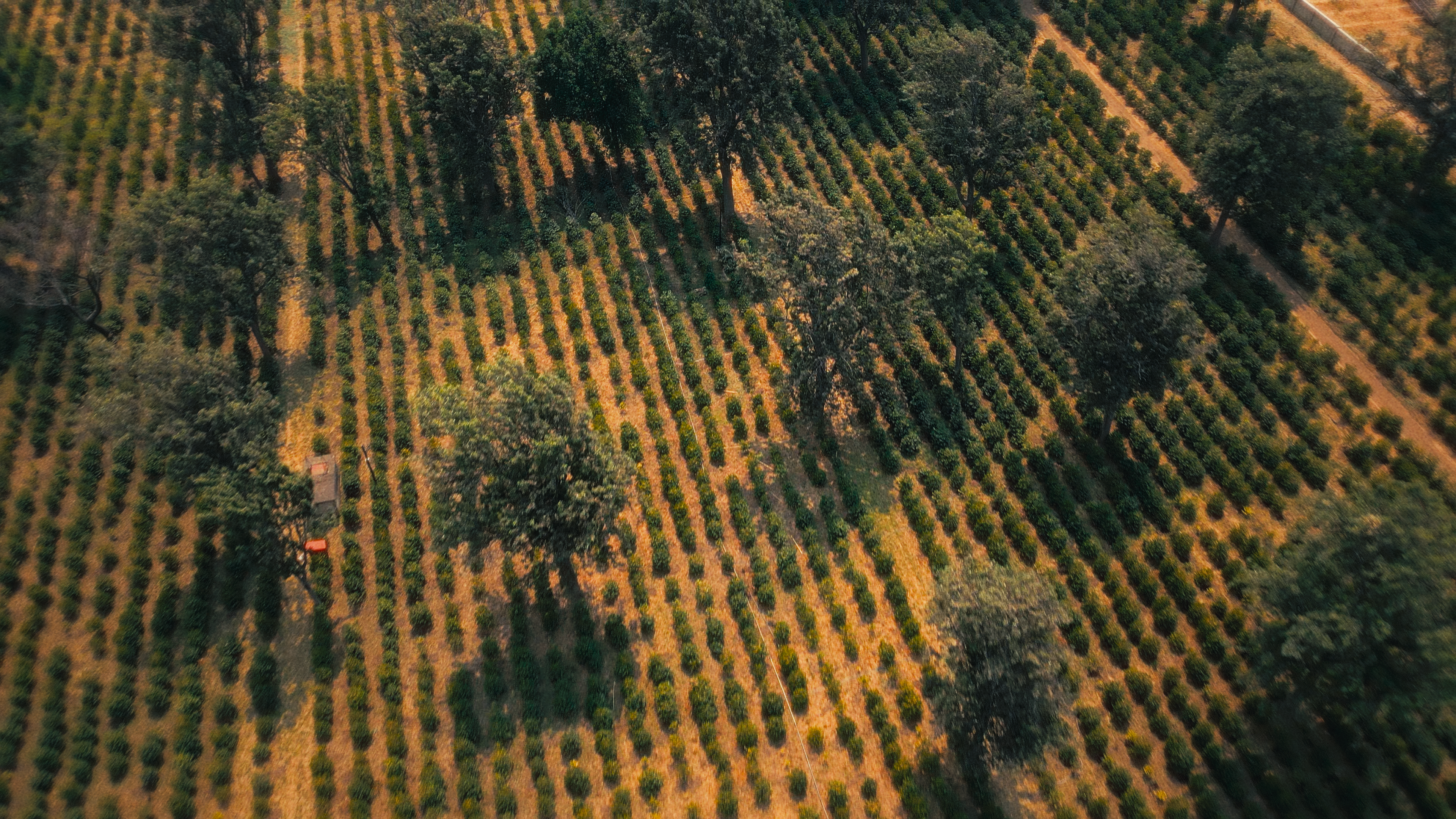
When talking about sustainable coffee plantations, the focus is often on soil, water, or crop quality. But there is one element that silently contributes more than any other to making these cultivations allies against climate change: shade trees.
In the Utengule plantation, at the heart of the ConSenso project, shade trees have proven to be the absolute protagonists of CO₂ storage. Here’s why.
1 shade tree ≈ 300 coffee plants
It may sound surprising, but in terms of biomass (that is, dry plant matter), a single shade tree can store as much CO₂ as about 300 coffee plants.
In the Itimba plantation:
-
883 shade trees (including Grevillea, Albizia, Faidherbia, Jacaranda, Avocado) contribute to 63% of the total stored carbon
-
with an average weight of about 1,200 kg per tree, compared to the average 4 kg of coffee shrubs
Almost two-thirds of the carbon dioxide sequestered in the plantation is thanks to these trees.
Agronomic functions… and much more
Shade trees are not just “natural umbrellas”:
-
They protect coffee from intense sunlight, reducing the need for irrigation.
-
They act as windbreaks, limiting plant damage.
-
They improve the microclimate, maintaining stable humidity and temperature.
-
They enrich the soil through leaf fall and deep roots.
-
They host biodiversity, offering refuge to pollinating insects, birds, and small mammals.
-
They help maintain high soil moisture.
And above all: they absorb CO₂ for decades, growing in size and stability.
Choosing the right species: functional biodiversity
The diversity of species used is no coincidence. Some examples:
-
Grevillea robusta – fast-growing, useful timber, non-invasive.
-
Albizia schimperiana – a legume that enriches the soil with nitrogen.
-
Jacaranda mimosifolia – excellent shade and beautiful ornamental value.
-
Persea americana (Avocado) – food source, additional income, a species with both forestry and productive benefits.
This functional biodiversity makes the plantation more resilient to climate change and disease, and far more integrated into the surrounding ecosystem.
An invisible “superpower”
Beyond what we see, the trees’ roots play a fundamental role.
By extending deep into the soil, they store carbon in a stable, long-term way, far from atmospheric agents and combustion.
Moreover, unlike coffee plants, shade trees do not undergo such intense periodic pruning—meaning they retain their biomass (and therefore carbon) for much longer.
Cultivating trees is cultivating the future
Integrating trees into plantations is no longer just “good agronomic practice”: it is an essential climate strategy.
Every tree planted, maintained, and properly managed is an investment in:
-
soil health and conservation
-
crop quality (cherry size and sugar content)
-
environmental well-being
-
the fight against atmospheric carbon dioxide
-
biodiversity conservation (insects, birds, animals)