Blog
Coffee as an Ally Against Climate Change
How Plantations Can Become the Green Lungs of the Planet
2023 was the hottest year ever recorded in history — a sad record that confirms what science has long been saying: climate change is a reality, and its origins are closely linked to human activity. Among the crops most affected is coffee — a global product that quite literally takes root in vulnerable territories such as those in Africa, Asia, and Latin America.
Rising average temperatures, unpredictable rainfall, prolonged droughts, and increasingly frequent extreme weather events are threatening both the yield and quality of coffee, with severe economic and social repercussions for millions of families. But there’s also good news: coffee plantations themselves can become allies in the fight against climate change, turning into true “carbon sinks.”
A Productive and Regenerative Ecosystem
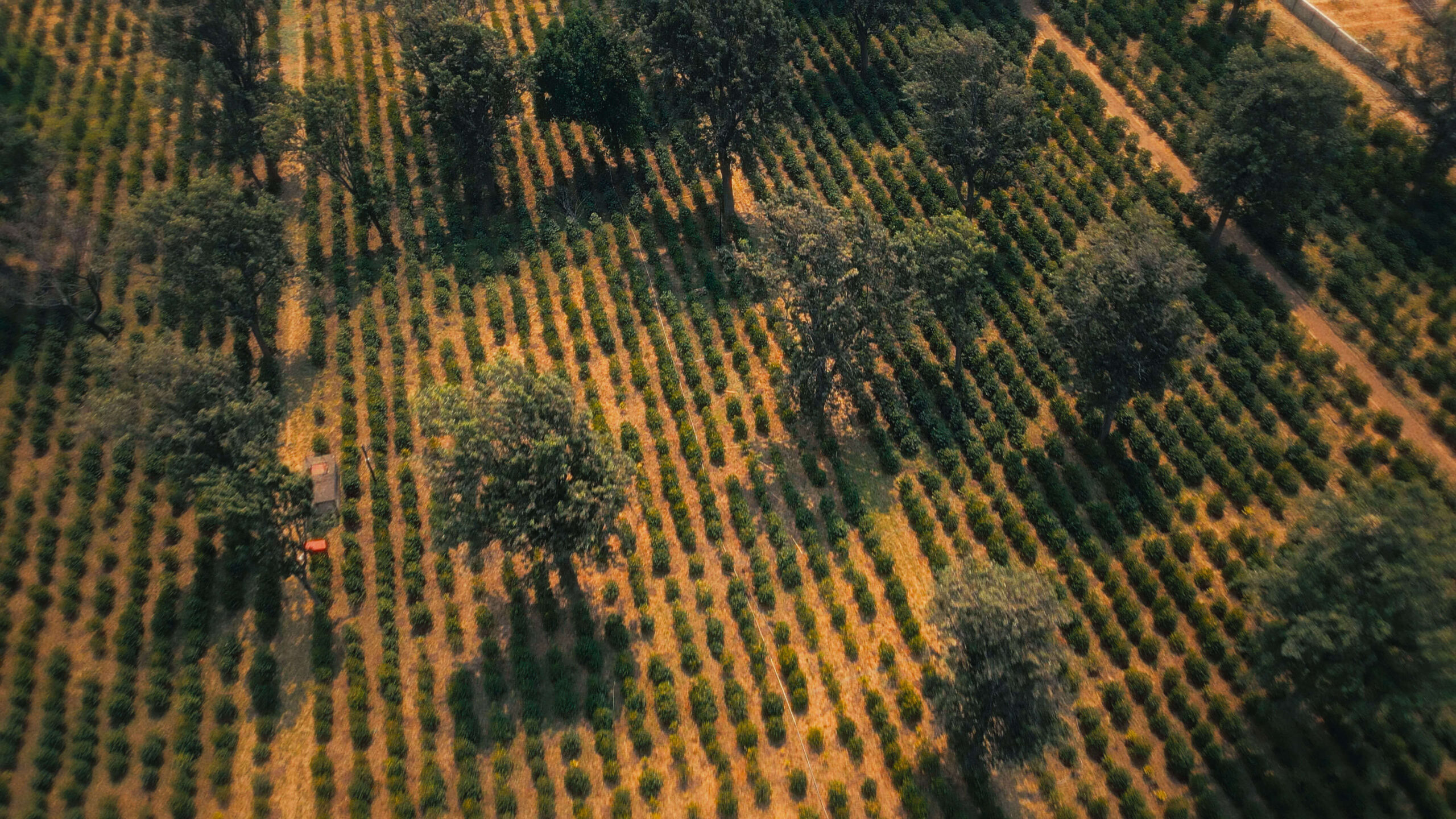
Every green plant plays a key role in the carbon cycle. Through photosynthesis, it absorbs carbon dioxide (CO₂) from the atmosphere and stores it in the form of biomass. As a perennial woody shrub, coffee has a noteworthy capacity for CO₂ storage—especially when cultivated within a well-structured agroforestry system that includes shade trees, hedges, and other plant species.
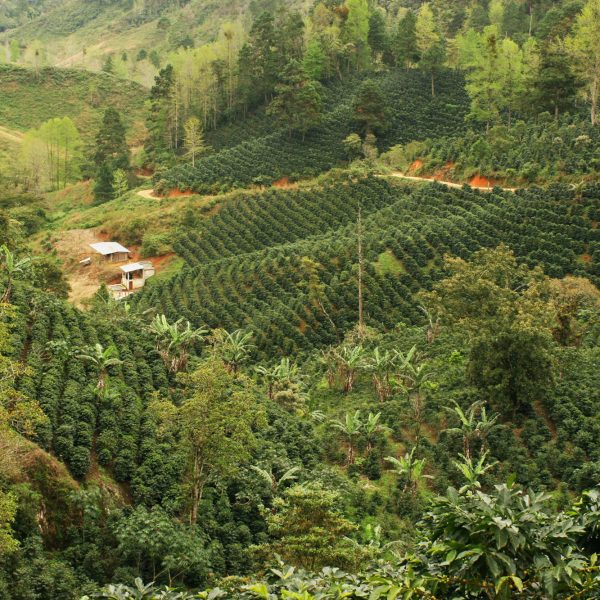
In many coffee-growing regions, such as Tanzania, plantations are evolving into complex systems—authentic “productive forests.” This transformation makes it possible to:
- Improve climate resilience
- Protect soil and biodiversity
- Increase carbon sequestration capacity
- Ensure economic stability for local farming communities
The Global Potential of Coffee
It is estimated that more than 10 million hectares of land worldwide are devoted to coffee cultivation. If properly managed, these areas could become highly efficient green lungs for the planet. With appropriate agronomic practices—such as selecting resilient varieties, managing pruning, using compost and biochar, maintaining permanent ground cover, and adopting a responsible approach to chemical inputs—it is possible to maximize CO₂ storage without compromising plantation productivity.
A recent study conducted by PNAT and the Accademia del Caffè Espresso in the Utengule plantation in Tanzania showed that a single plot can store nearly 3,000 tons of CO₂ per year. This is a striking figure: coffee cultivation, when regenerative, can make a tangible contribution to achieving international climate goals while preserving available resources in a highly sustainable context.