Blog
A Coffee with Ralf Rueller
Founder of THE BARN
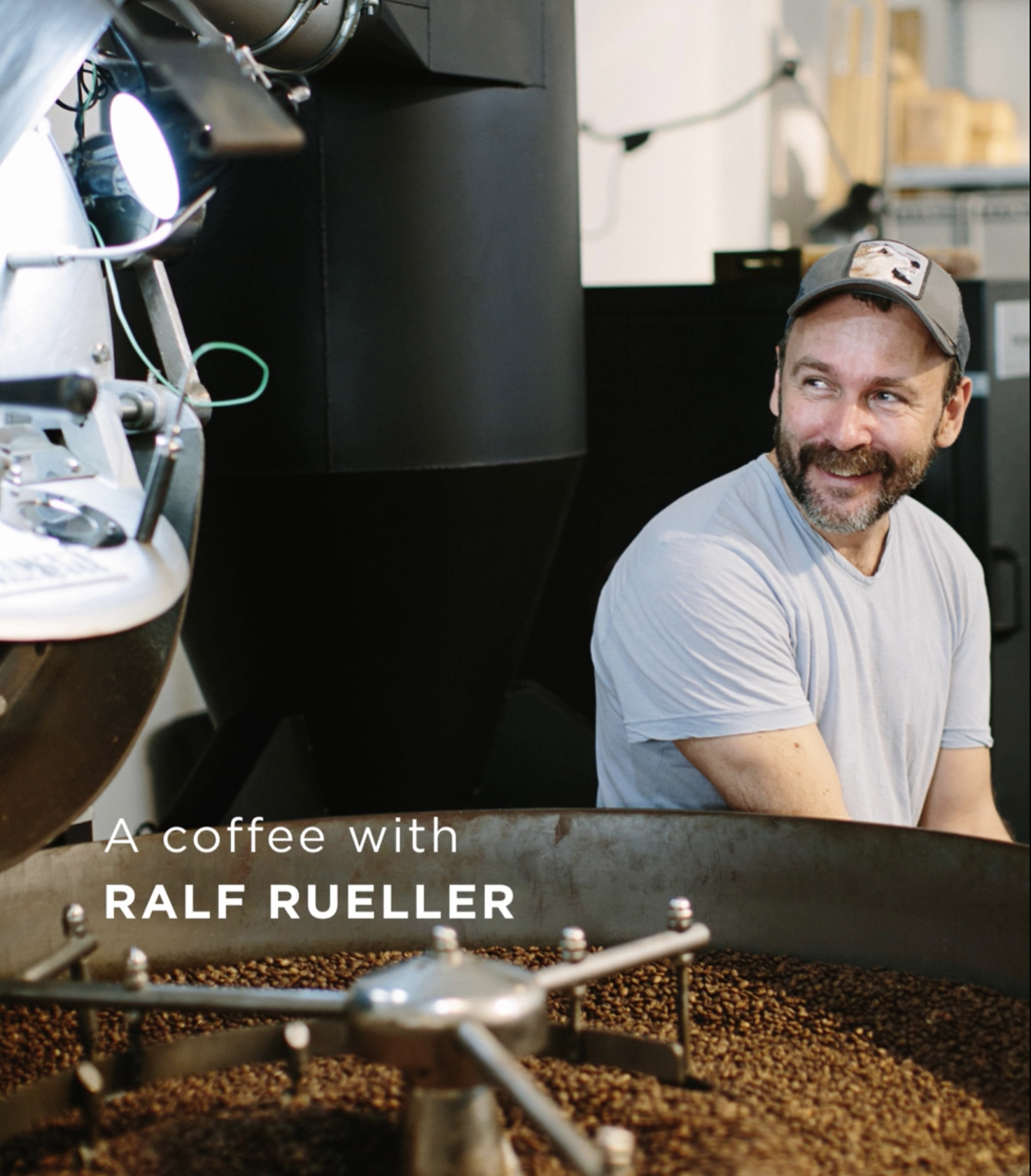
As a self-taught person, I strongly believe in hands-on work, in experience, and in learning from others. For ten years I worked in London, and I remember that every morning I would stop by a really lovely coffee shop near London Bridge. On my way to work I drank a lot of coffee. I was in the world of finance, where you have to control the numbers, analyze situations, and manage risks. Even if you think you’re free, you never really are.
So when I lost my job, I decided to do something else: I wanted to open up, become more aware of myself, and I enrolled in an acting school in London. It’s an experience that is still useful to me today, now that I run a company. It gave me the self-confidence I needed not to follow what others were doing, or what the market was doing.
I wanted to take the risk of choosing what was right for me.
The best advice for anyone starting a business is: decide what truly expresses your identity and what makes what you do unique — whether it’s a brand, a café, or a concept.
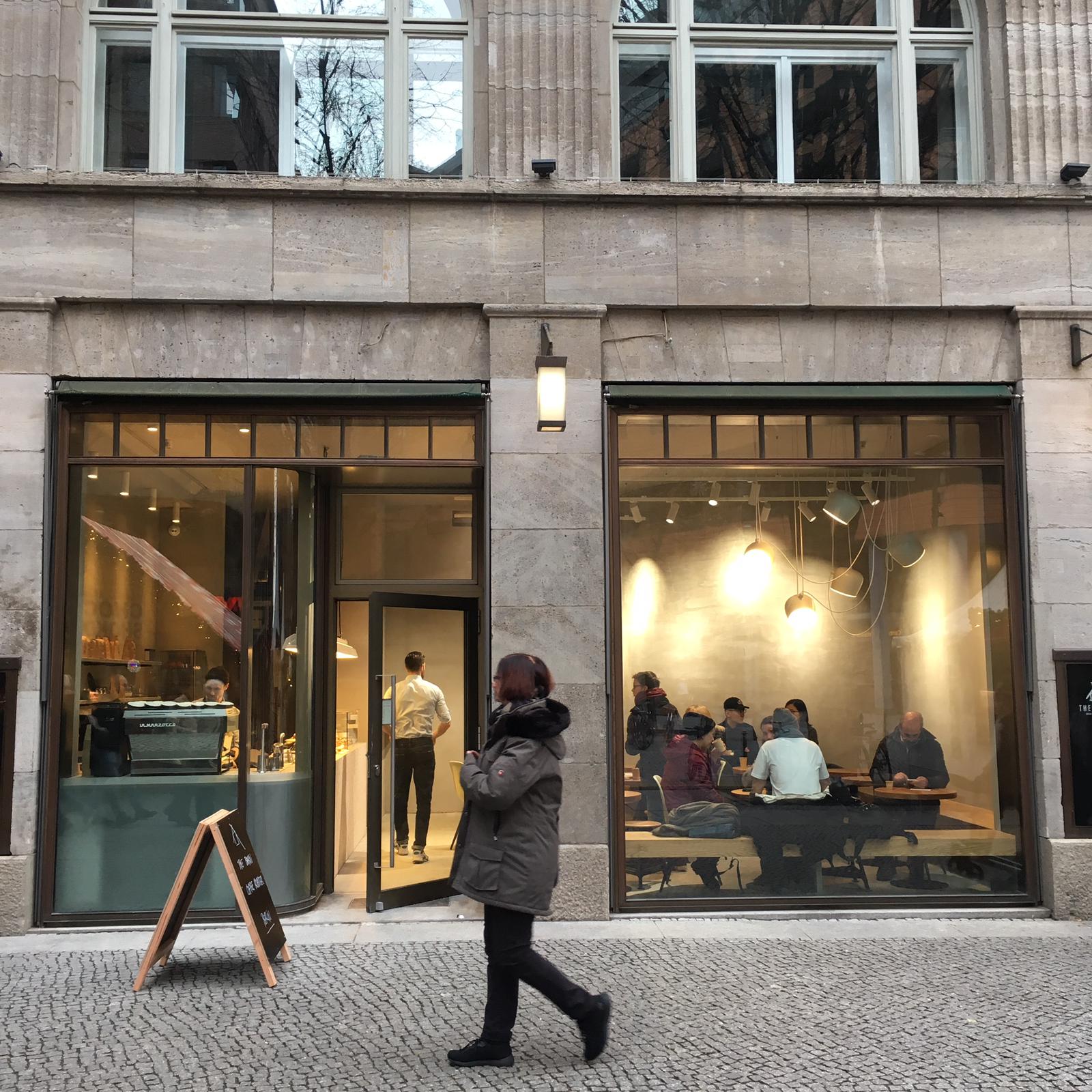
When I moved to Berlin in 2008, I asked myself whether I was really happy with what I was doing. Today I would probably say yes, but fifteen years ago I just wanted to leave my comfort zone and find my passion.
I started working at the deli shop of a friend, where he sold high-quality products that were also served at lunchtime, I realized that I loved serving people, making coffee and baking cakes—and that someone was willing to pay for that, and come back because they enjoyed it.
I believe all of this is part of my DNA. I come from a large family. My mother would always pick fresh ingredients from the garden to cook and bake. We had a big house that was always open, with a large table. From my mother—who was also very strict—I also inherited a love for rules: if you want a clean home, people need to take their shoes off. Not that I ask my customers to do that, but in a community we have to take care of each other.
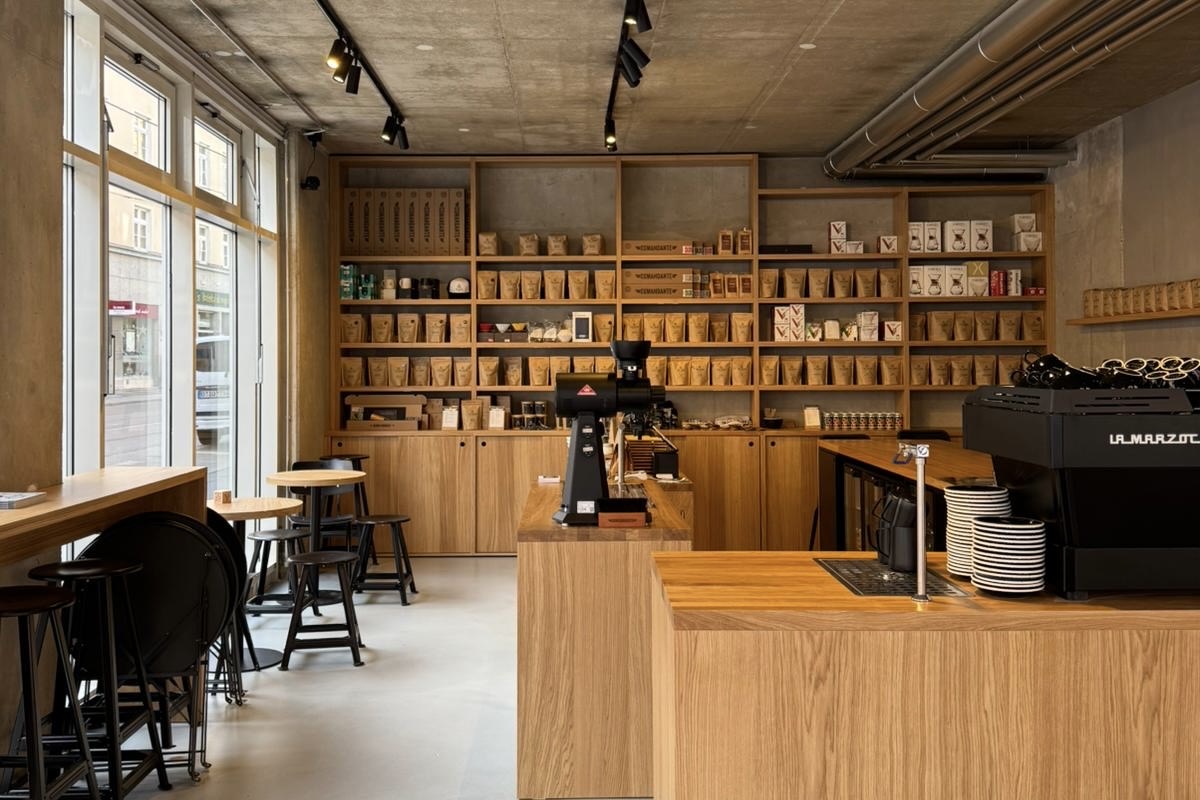
Not everyone wants to be in a noisy place, for example. Sometimes people don’t realize what’s happening around them: they speak loudly on the phone without headphones, they argue, or they take work video calls. As a host, I feel like I should go up to them and ask them to leave, because in a café—when it’s not peak time—we want to relax, enjoy our coffee, read a book, maybe listen to another conversation or talk to someone, interact with the barista. Especially since the pandemic, people want to be together again and feel the presence of other human beings.
If the atmosphere is pleasant and the experience is positive, customers are also willing to pay more for a good coffee. Making coffee cheaper is completely wrong, because we have to take care of farmers and producers by paying them as well as possible. Chains where prices are extremely low put pressure on producers: they demand cheaper quality, and in the long run producers won’t survive—especially now with climate change.
A freshly roasted product, prepared by hand and served to you. One or two euros more per cup is really nothing.
We need to work with producers to do everything by hand, achieve high quality, and offer an excellent product to our customers—who will then pay more, creating a virtuous circle.
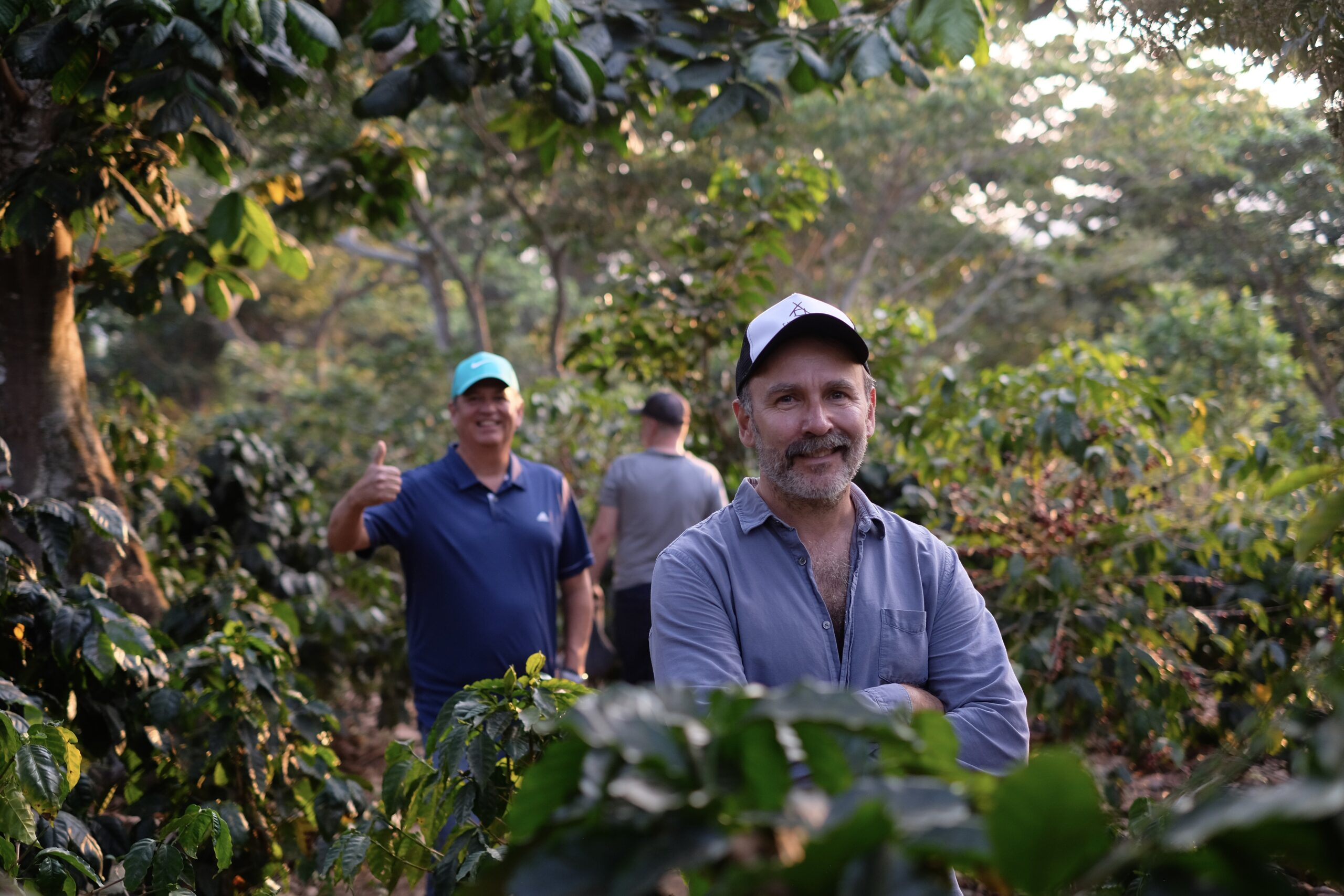
When in 2010 I met James Hoffmann and Annette Moldvaer, or Tim Wendelboe and Klaus Thomsen, I was truly impressed by the way they source their coffee, roast it, and by their commitment to offering better coffee—sharing information and knowledge to raise awareness about the importance of creating a virtuous circle that brings attention back to origins. And since June 20th, 2010, when I opened The Barn, all the values I established are still there.
Today, one of the challenges in hospitality is retaining people. We focus heavily on training, because we see that people are extremely shy. Looking someone in the eye and saying hello is experienced as an intimate moment. We find truly kind people who need to be taught how to engage with others.
Smartphones have killed conversation: people don’t feel comfortable anymore, they lack self-confidence, and in order not to make mistakes, they prefer to stay silent. But it’s simple: you just talk about the flavor, about how it feels to drink this coffee, its origin, its roast.
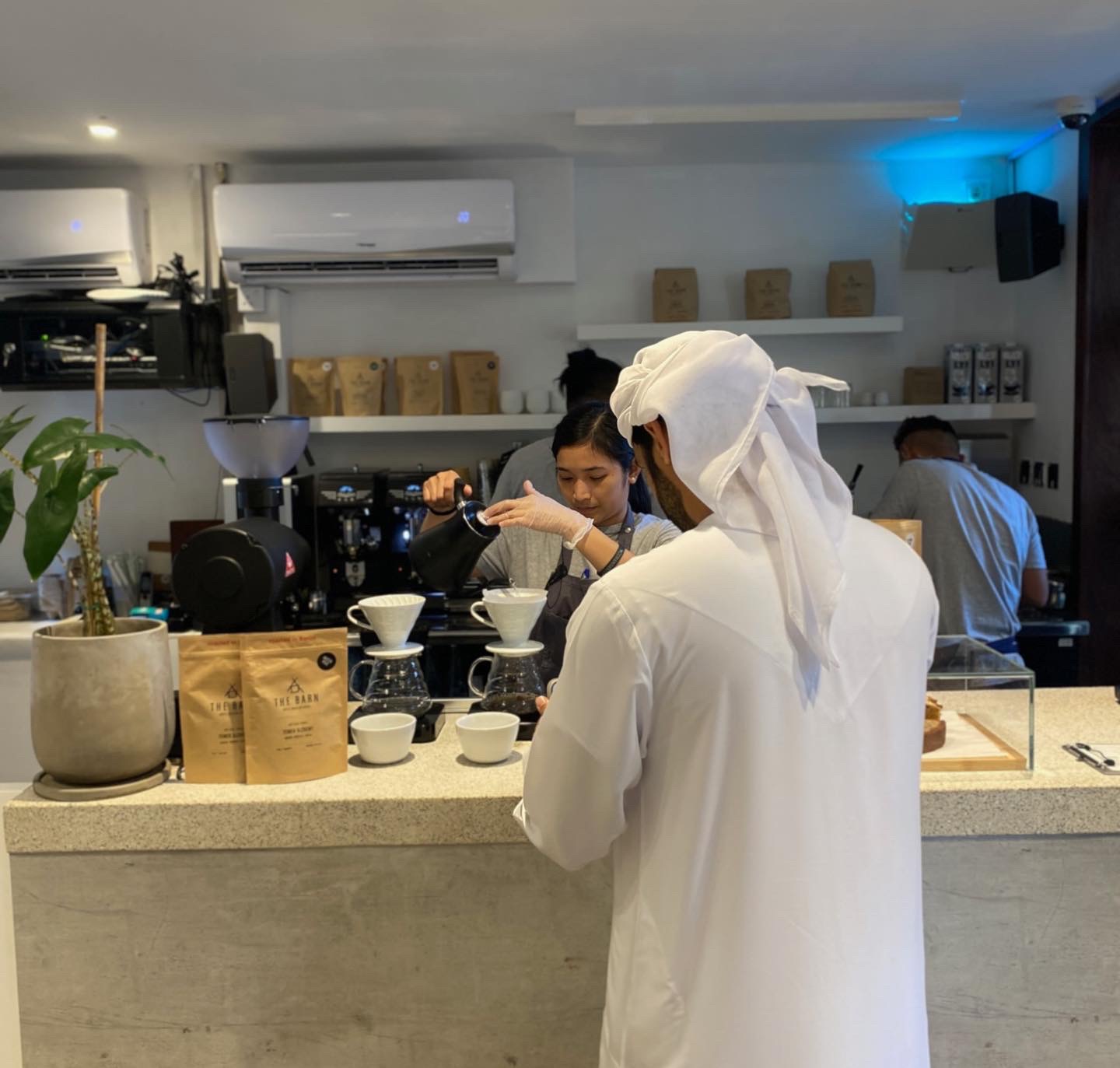
We only work with single-origin coffee because we want people to know the name of the farm.
It’s about creating a connection—developing a sensory memory, so that while you drink your coffee you can associate it with the producers and their country. We are what we sometimes call “accessible luxury.” Nowadays, “specialty coffee” can be found everywhere. Maybe we need a new definition of what we do, in order to truly stand out: offering people a memorable coffee experience.
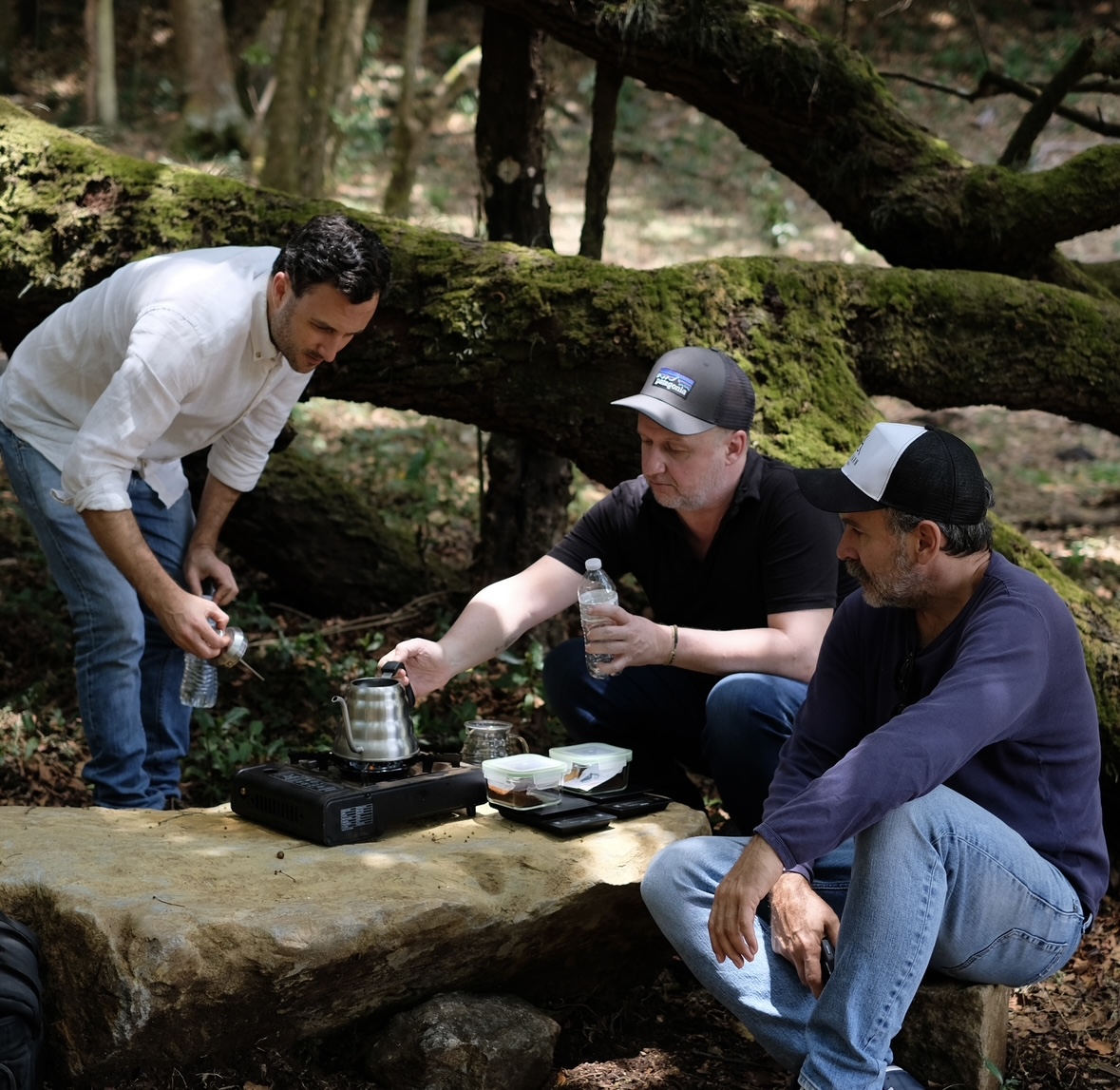
People need to understand that specialty is a different category within coffee. We have a mission: we represent coffee farmers, coffees from another country. Roasted coffee represents 50% of our exports through the online shop, while I would say more than 90% of exports happen through B2B. Many cafés all over the world use our coffee. For a producer in Honduras, it matters that their coffee is being served in Hong Kong. It’s a motivation to do a better job because suddenly their face is known. And I have to present them in the best possible way.
In 2010, in my café I was the barista, I baked cakes, I served coffee. People told me I had to adapt: no light roast, don’t use single origins—but I decided to offer only what I personally liked. My cakes were the ones my mother used to make—no vegan or gluten-free options. When people asked for something else, I would kindly ask them to go elsewhere or try something new.
Saying no in a confident and gentle way that doesn’t offend the customer is difficult. I chose to offer something different to try. I would offer them a free taste of something new. If they didn’t like it, I would make them “the usual.” Letting people try new things opens a dialogue and strengthens your image and credibility as an expert.
I like to push people out of their habits: it takes a lot of personality—you have to be a little bold. Maybe we prepare a V60 during the shift and offer it, just to let people taste it, for free. To fuel curiosity. We shouldn’t underestimate the power of word of mouth.
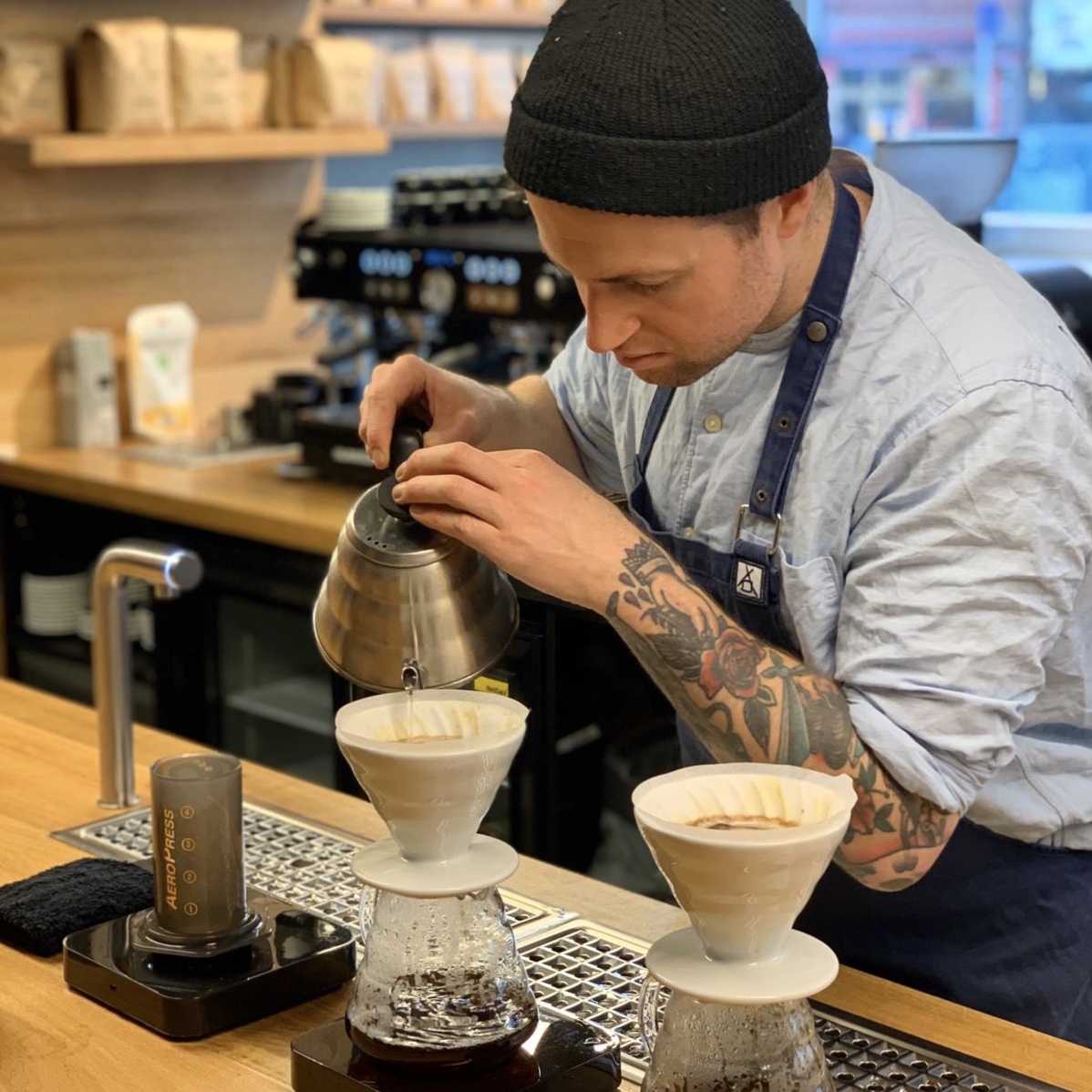
We are the experts: we can suggest different things without fearing that, if people don’t get “the usual,” they won’t come back.
If you want to offer specialty coffee, you can’t offer everything. I offer what I truly feel strong at.
It was a movement that educated the market, also through reference figures who influenced many others, because the boom was truly intense. There is a difference between a coffee shop that changes location to be on a busy street, and one that is off the beaten path but still manages to make people take a detour. That means word of mouth worked.
I think people are looking for something authentic, something to believe in—even in small things. And coffee has a truly important meaning: it connects you to others. Talking about extraction, or processing and flavor development—this all becomes part of your identity and makes you visible within a niche of enthusiasts.
And for me, seeing the coffee world with all these people who attend tastings, fairs, do latte art competitions and so on, is really fascinating. Today we are connected online with the entire world, virtually—but in coffee shops you come into contact with real people. You can exchange opinions.
In Germany, cities aren’t huge. It’s harder for a trend to take hold: it takes many years before people notice it, and then suddenly something clicks. At the beginning you need leadership and strength.
Today, the market is divided, in my view, between those who focus on how the product is served, on quality and service standards—and those who focus on aesthetics, fun, and a unique experience that attracts people, becomes a trend, but doesn’t pay attention to quality.
In the future, I hope that more and more experts will continue to emerge in every market. And I keep investing in staff training. Magical chemistry is created, turning the café into a warm and welcoming place.
By connecting roastery and baristas, you can offer something more, because your coffee will be told with care, and the customer will recognize their preparation. They will be willing to trust you and will feel looked after. Our trainer works with me also in quality control at the roastery, and our baristas receive training that makes them reliable guides.
We need to make sure we connect people. I truly believe that. What makes working in a café interesting is the chance to build a community of friends. If you don’t do that, your job behind the counter will be truly boring, and you’ll end up just making coffee, serving it, and staying silent.
The most important investment is people.
It’s worth it, because they receive so much in return, and we gain fantastic people, fantastic moments, a fantastic atmosphere and situation—nothing I could ever find sitting at a computer all day.